
The Meditative Power of Solitude

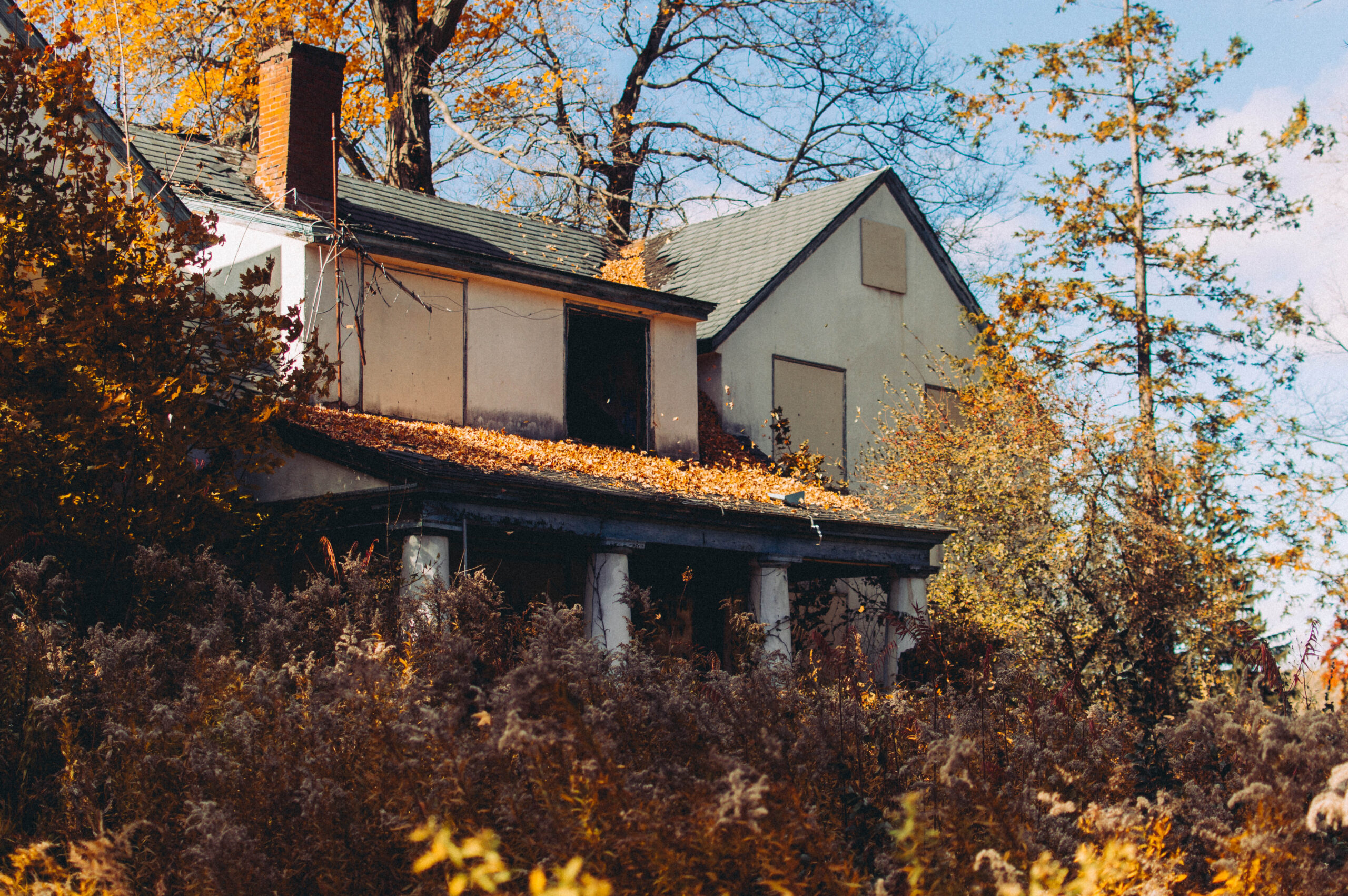
There’s a unique kind of peace in quiet places—the kind where the world slows down, and you feel like you belong even when no one else is around. For some, it’s a sun-dappled forest trail. For others, it’s the echoing halls of an abandoned building, where every crack in the wall and every streak of light tells a story.
Solitude doesn’t mean loneliness. It’s a space to breathe, reflect, and reconnect with yourself. When I take my camera into quiet spaces—whether nature or abandoned structures—I feel a rhythm in my own steps. Each photo becomes a meditation, each frame a moment of presence.
The quiet teaches patience. The abandoned walls and empty landscapes remind me that stillness is not stagnation—it’s preparation. Like a paused breath before a movement, solitude allows me to observe, understand, and ultimately create from a centered place.
Seeing Beauty in the Forgotten
Photography trains the eye to notice details others might overlook: a leaf caught in a broken window, moss growing in cracks of concrete, sunlight scattering across fallen bricks. These moments of beauty in the forgotten or overlooked reveal the subtle narratives of life and decay. They teach us that every space, like every phase in life, has its value—even when it seems empty.
Why Silence is Productive
Taking time to slow down, wander, and observe isn’t wasted time. Quiet reflection—whether in nature, ruins, or your own space—fuels creativity, clarity, and emotional balance. It reminds us that progress isn’t always in constant motion. Sometimes, the most meaningful growth happens while standing still, absorbing, and simply being.
Bringing the Lesson Home
Next time you feel the need to step away from noise and deadlines, consider seeking a space where time seems suspended. A quiet forest, an abandoned structure, or even a calm corner in your city. Let your senses take it in. Let your thoughts drift. Let the stillness teach you.
Even in silence, we are moving. Even in abandonment, we are at home.